

Having a daily study routine is one of the most powerful habits for any student. Instead of studying randomly, a routine helps you stay organized, focused, and productive every day.
The goal is not to study more—but to study consistently and effectively.
1️⃣ Start with a Clear Goal
Before building a routine, ask yourself:
- What do I want to achieve?
- What subjects need attention?
👉 Clear goals help shape your routine.
2️⃣ Choose Your Best Study Time
Everyone has a different peak time:
- Morning (high focus) ☀️
- Night (quiet and calm) 🌙
👉 Study when your brain is most active.
3️⃣ Create a Simple Daily Plan
Don’t overcomplicate it.
Example:
- 1–2 main subjects per day
- Review session
- Practice session
👉 Keep it realistic.
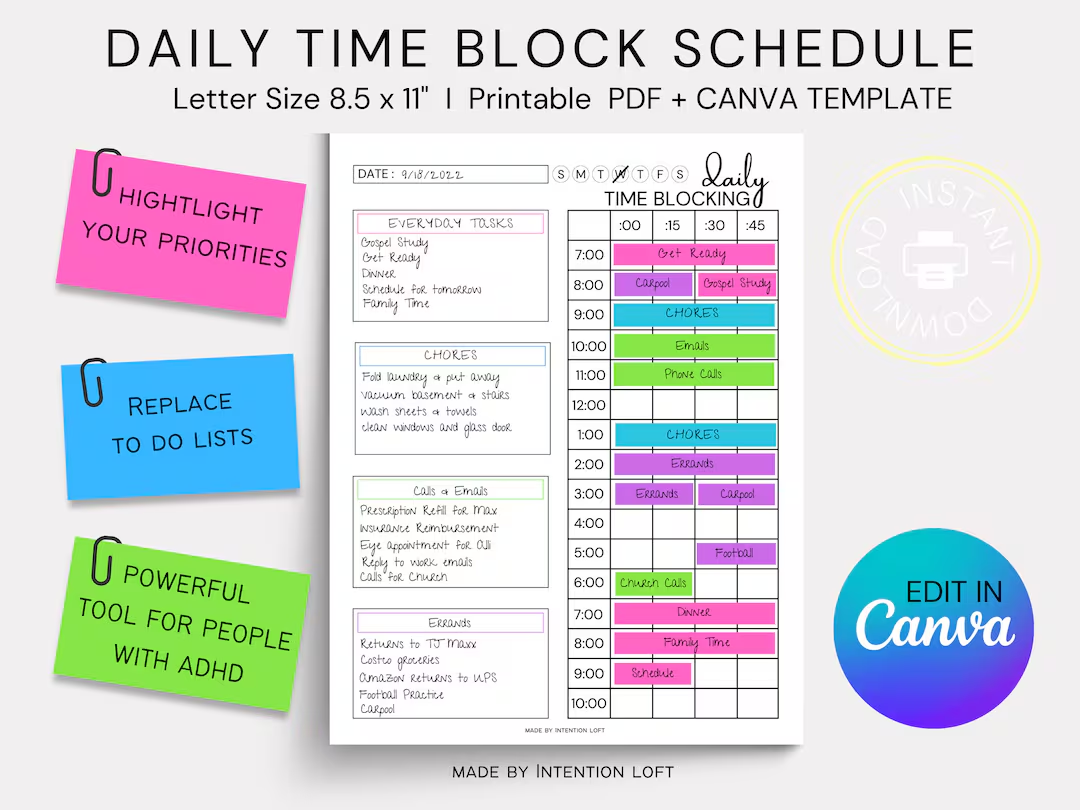
4️⃣ Use Time Blocks ⏱️
Divide your day:
- Study → Break → Study
👉 This keeps your energy balanced.
5️⃣ Start Small and Build Up
Don’t start with long hours.
- Begin with 1–2 hours
- Increase gradually
👉 Consistency is more important than intensity.
6️⃣ Include Breaks
Breaks are part of your routine:
- 5–10 minutes after each session
👉 Helps your brain recover.
7️⃣ Keep Your Study Space Ready
Your environment should support your routine:
- Clean desk
- No distractions
👉 Makes it easier to start.
8️⃣ Stay Flexible
Life is not perfect.
👉 If you miss a day:
- Don’t quit
- Adjust your plan
9️⃣ Track Your Progress
At the end of the day:
- What did you complete?
- What needs improvement?
👉 Tracking keeps you motivated.
🔟 Stay Consistent Every Day
Even if it’s a short session:
👉 Daily effort builds strong habits.
💡 Bonus Tip: Make It Enjoyable
Add small rewards:
- Break with coffee ☕
- Watching something you like
👉 Motivation increases when you enjoy the process.
🎯 Conclusion
A daily study routine is not about strict rules—it’s about building a system that works for you. With consistency and small improvements, your routine will become a powerful tool for success.